
Arkreen's Vision: Bridging DePIN, Decarbonization & Web3 at TOKEN2049
This article explores the transformative vision of Arkreen, a pioneering force in the Decentralized Physical Infrastructure Network (DePIN) sector. Arkreen's mission centers on bridging the chasm between physical and digital realms, specifically within the renewable energy and decarbonization sectors. We delve into their innovative approach, strategic participation at TOKEN2049, and their commitment to forging a sustainable Web3 ecosystem.
Unveiling Arkreen: A New Era of DePIN and Decarbonization
Arkreen stands as a leading innovator at the confluence of the physical and digital worlds, spearheading efforts within the Decentralized Physical Infrastructure Network (DePIN) sector. The network's core mission is to transform conventional hardware into verifiable digital assets, integrating physical infrastructure with blockchain technology. This approach lays the groundwork for a more transparent, efficient, and interconnected future for renewable energy generation and consumption.
The Arkreen Mission for DePIN
Arkreen's primary objective involves creating a robust framework for verifiable renewable energy data. By leveraging Web3 technologies, Arkreen allows for the precise measurement, verification, and tokenization of renewable energy credits. This enhances data integrity and promotes a more granular understanding of energy flows, making a tangible impact on global decarbonization goals.
- Decentralized Data Collection: Utilizing a network of IoT devices to gather real-time energy production data.
- Blockchain Verification: Immutably recording and validating energy data on a decentralized ledger.
- Tokenized Energy Assets: Converting verified renewable energy into digital tokens, enabling new forms of value exchange.
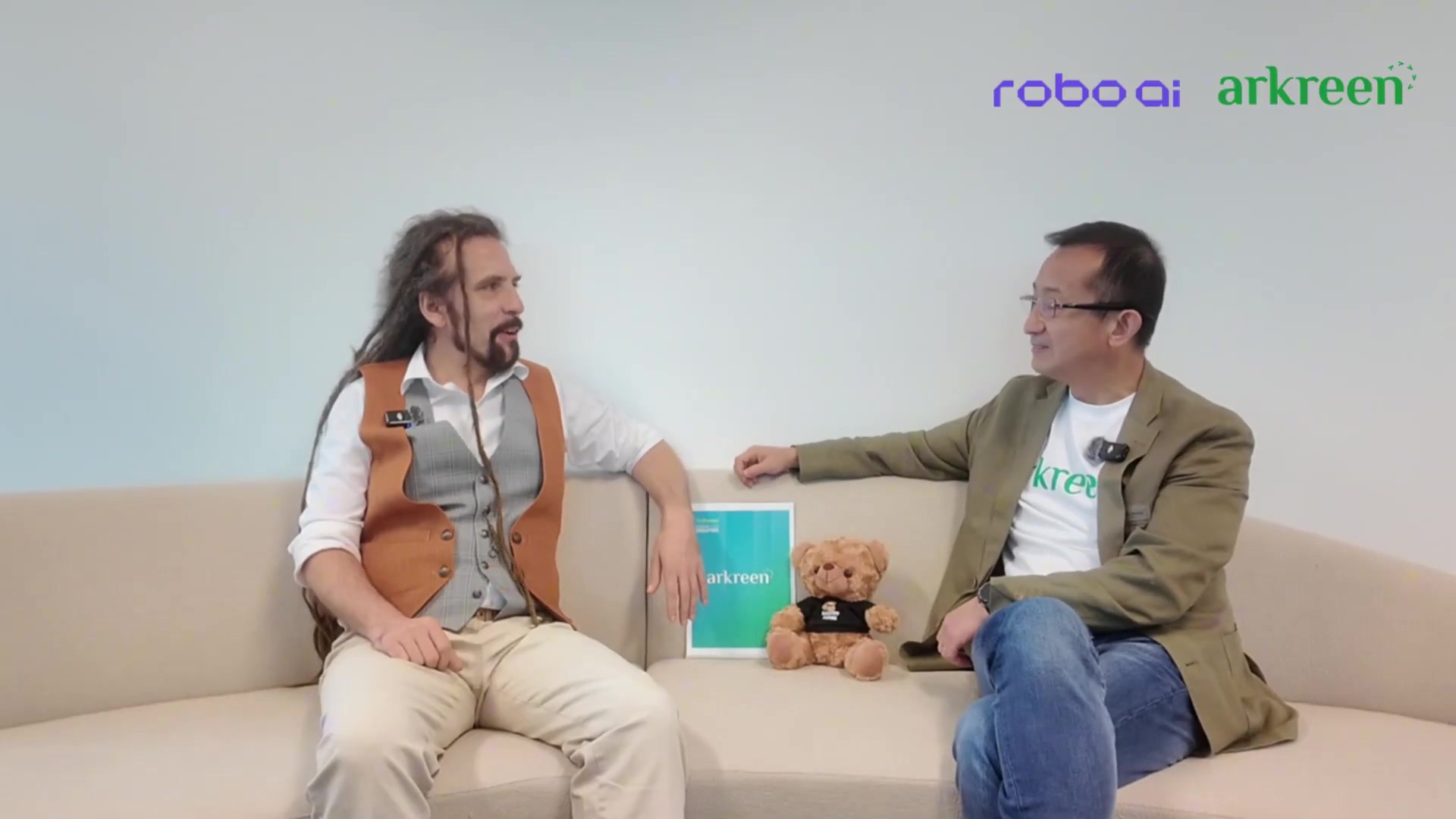
Integrating Physical Assets into the Digital Economy
Arkreen's focus extends to integrating everyday physical assets, such as electric vehicles (EVs) and smart grids, into the digital economy. This integration is critical for developing sophisticated machine-to-machine economies where devices can autonomously transact and interact. The vision includes scenarios where smart vehicles manage their own charging and maintenance payments through digital wallets, exemplifying a true convergence of physical and digital infrastructures.
- Smart Device Integration: Connecting IoT devices and physical infrastructure components to blockchain networks.
- Digital Identity for Hardware: Assigning unique digital identities to physical assets for secure and verifiable interactions.
- Autonomous Transactions: Enabling machines to perform self-executing transactions based on pre-defined smart contracts.
TOKEN2049: A Platform for Arkreen's Visionary Leadership
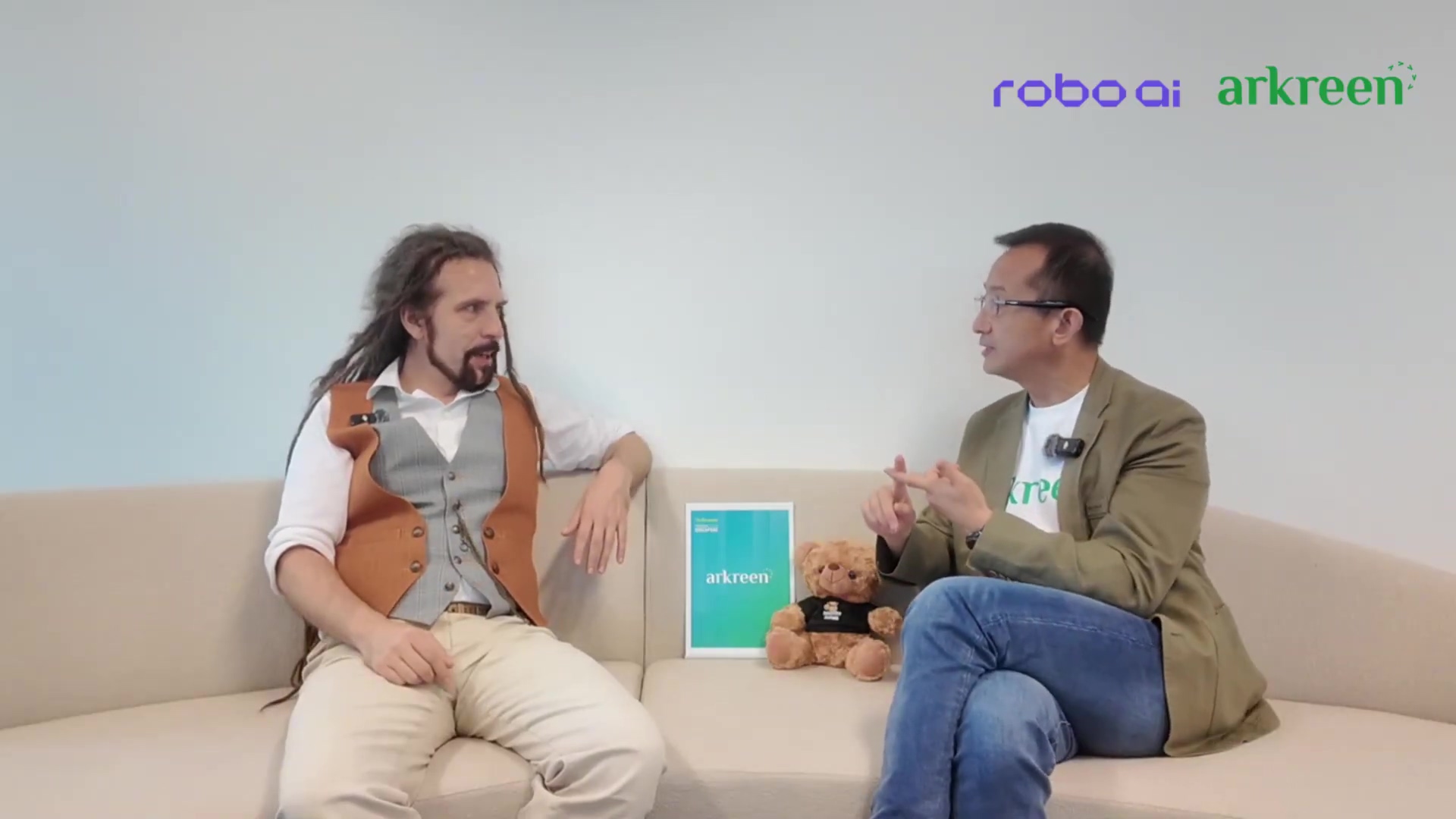
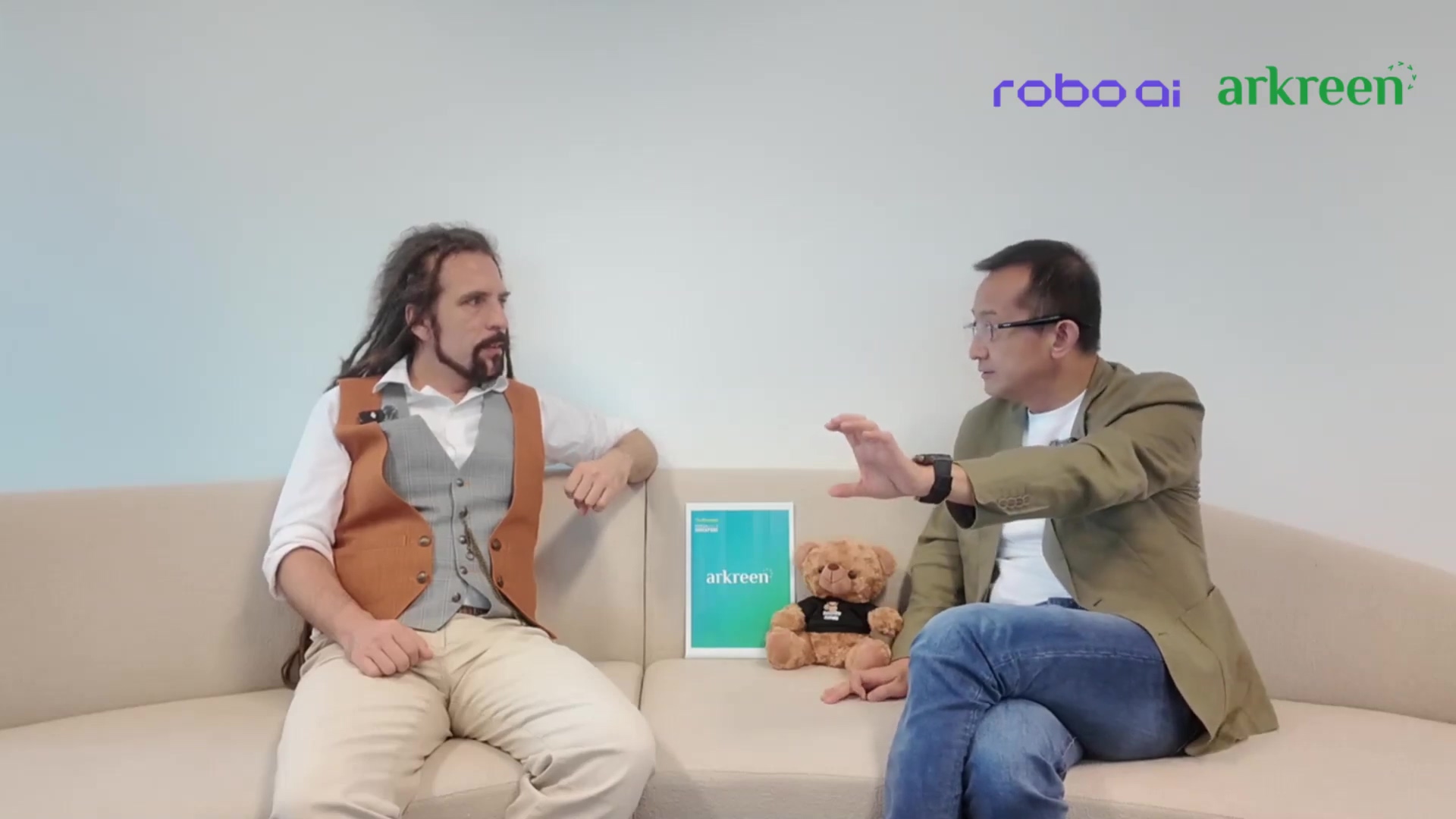
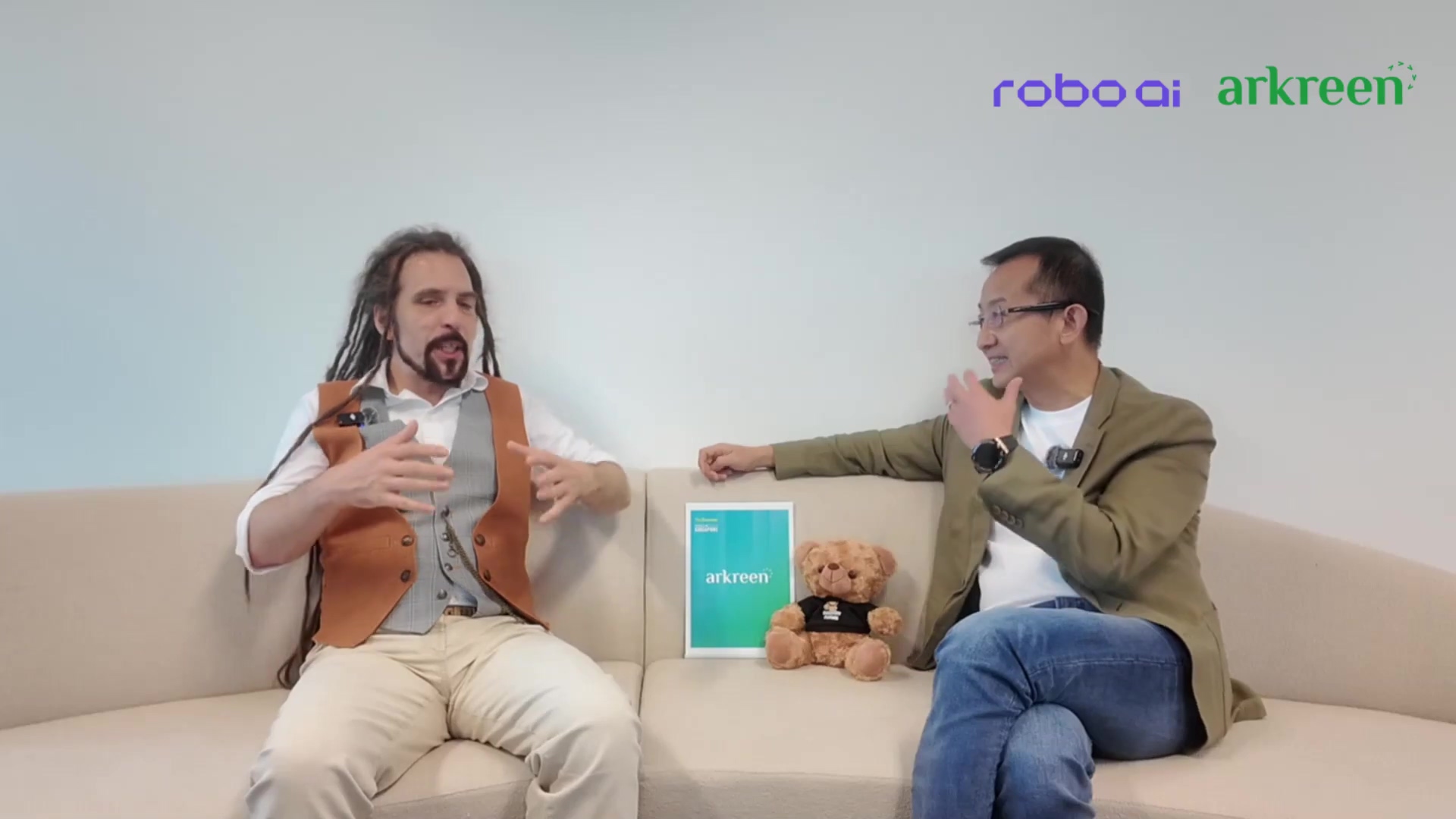
Arkreen's prominent presence at TOKEN2049 underscored its ascending influence within the Web3 community, marking a significant shift from an observer role to an active participant. The event served as a crucial platform for Benjamin Zhai, a key figure in Arkreen's strategic vision, to articulate the company's trajectory and innovative contributions to the DePIN ecosystem. This participation highlights a growing recognition of Arkreen's leadership in transforming hardware into digital assets.
Elevating Presence in the Web3 Community
Arkreen's engagement at TOKEN2049 demonstrated a clear evolution in its market position. Benjamin Zhai noted the transition from being an observer to a participant, signifying the company's increasing maturity and impact. The high level of engagement and focus from attendees during Arkreen's presentations, particularly concerning the digital identity of vehicles, validated the relevance and innovation of their offerings.
- Enhanced Visibility: Arkreen's thought leadership was prominently showcased, attracting significant attention from industry peers and investors.
- Community Engagement: Direct interaction with the Web3 community fostered stronger relationships and provided valuable feedback.
- Validation of Vision: Enthusiastic reception of Arkreen's initiatives, such as the digital identity for cars, confirmed industry demand for their solutions.
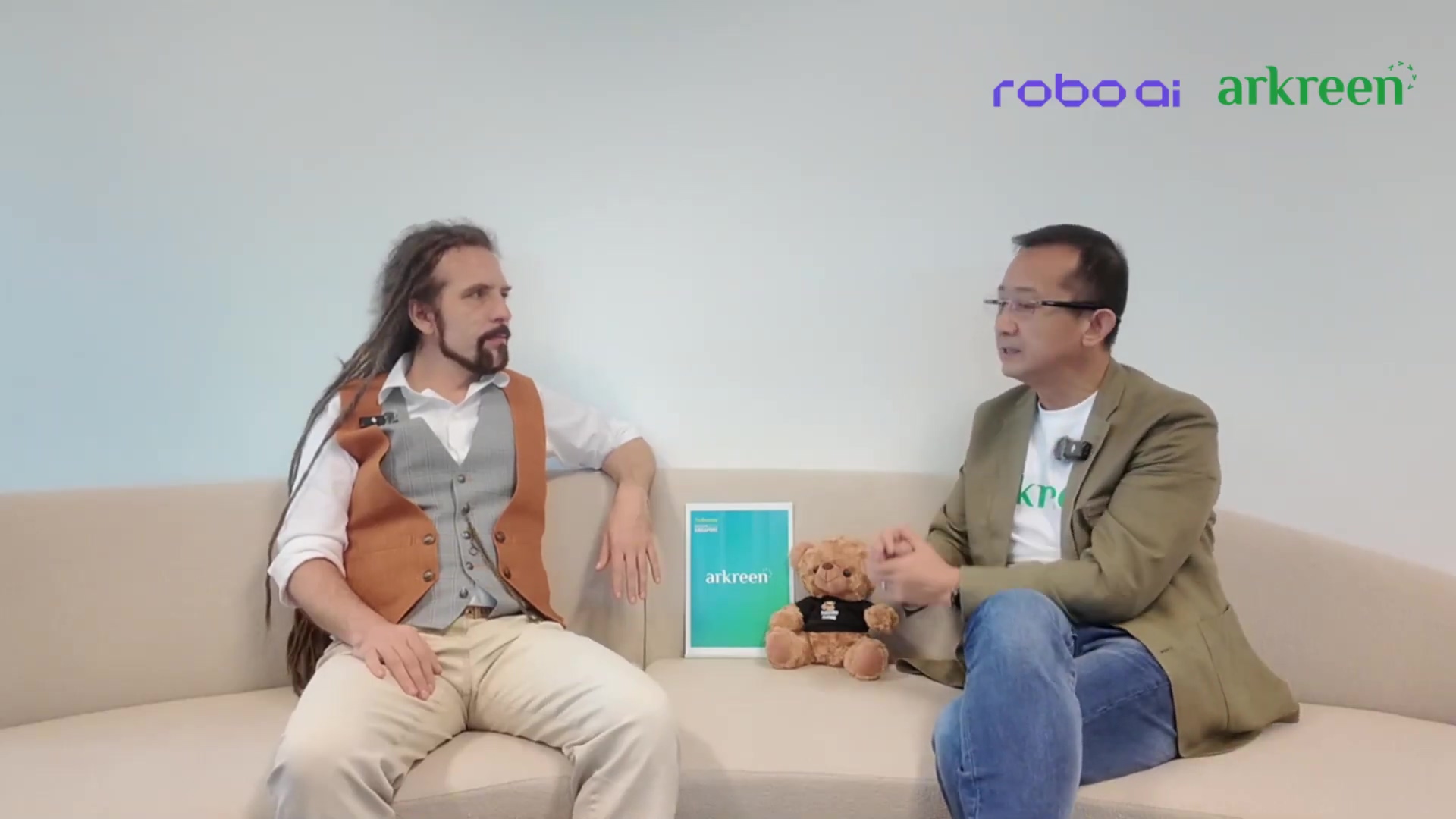
Strategic Recognition and Industry Impact
TOKEN2049 provided Arkreen with an unparalleled opportunity to reinforce its strategic direction and leadership in visioning. The event facilitated discussions around globalization reversals and the critical need for interconnected digital infrastructure, positioning Arkreen as a proactive solution provider. The ability to articulate their efforts in bridging physical and digital worlds at such a high-profile event solidified their reputation as a forward-thinking entity.
- Leadership in Vision: Benjamin Zhai articulated Arkreen's unique approach to connecting the physical and digital worlds amidst global fragmentation.
- Industry Alignment: Arkreen's vision aligns with broader trends in Web3, emphasizing decentralization and sustainability.
- Networking Opportunities: The event facilitated key connections, underscoring the importance of shared values and goals within the tech community.
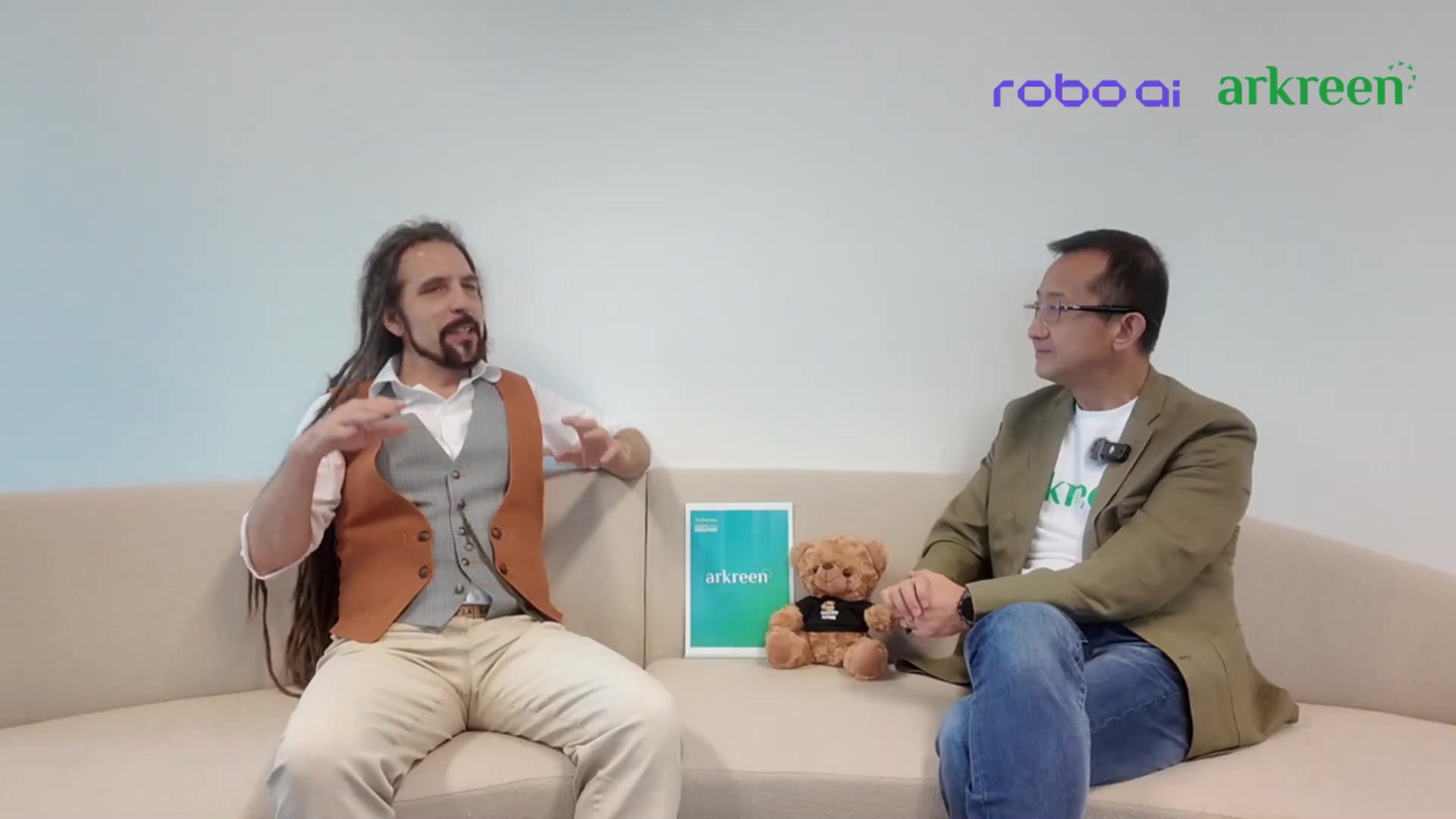
Bridging Divides: Connecting Physical and Digital Worlds
Arkreen's core philosophy revolves around the critical integration of real-world assets and data with the digital realm. This integration is paramount for overcoming global fragmentation and fostering robust collaboration, particularly within the nascent Web3 environment. The company recognizes that in an increasingly bifurcated world, the ability to connect disparate systems and cultures through technology becomes a powerful catalyst for innovation and progress.
The Imperative of Interconnectedness
In a global landscape marked by trends of deglobalization and regionalization, Arkreen steps forward with a vision to unify. By creating pathways that seamlessly link physical infrastructure with digital counterparts, Arkreen aims to mitigate the challenges posed by political and cultural divides. This proactive approach not only creates new opportunities but also addresses fundamental barriers to progress, ensuring that technological advancements can transcend traditional boundaries.
- Counteracting Fragmentation: Developing technologies that bridge cultural and political divides, promoting global cohesion.
- Digital Asset Representation: Representing real-world physical assets as digital tokens on a blockchain, enabling seamless integration.
- Global Collaboration: Facilitating collaboration across diverse geographical and ideological landscapes by establishing common digital ground.
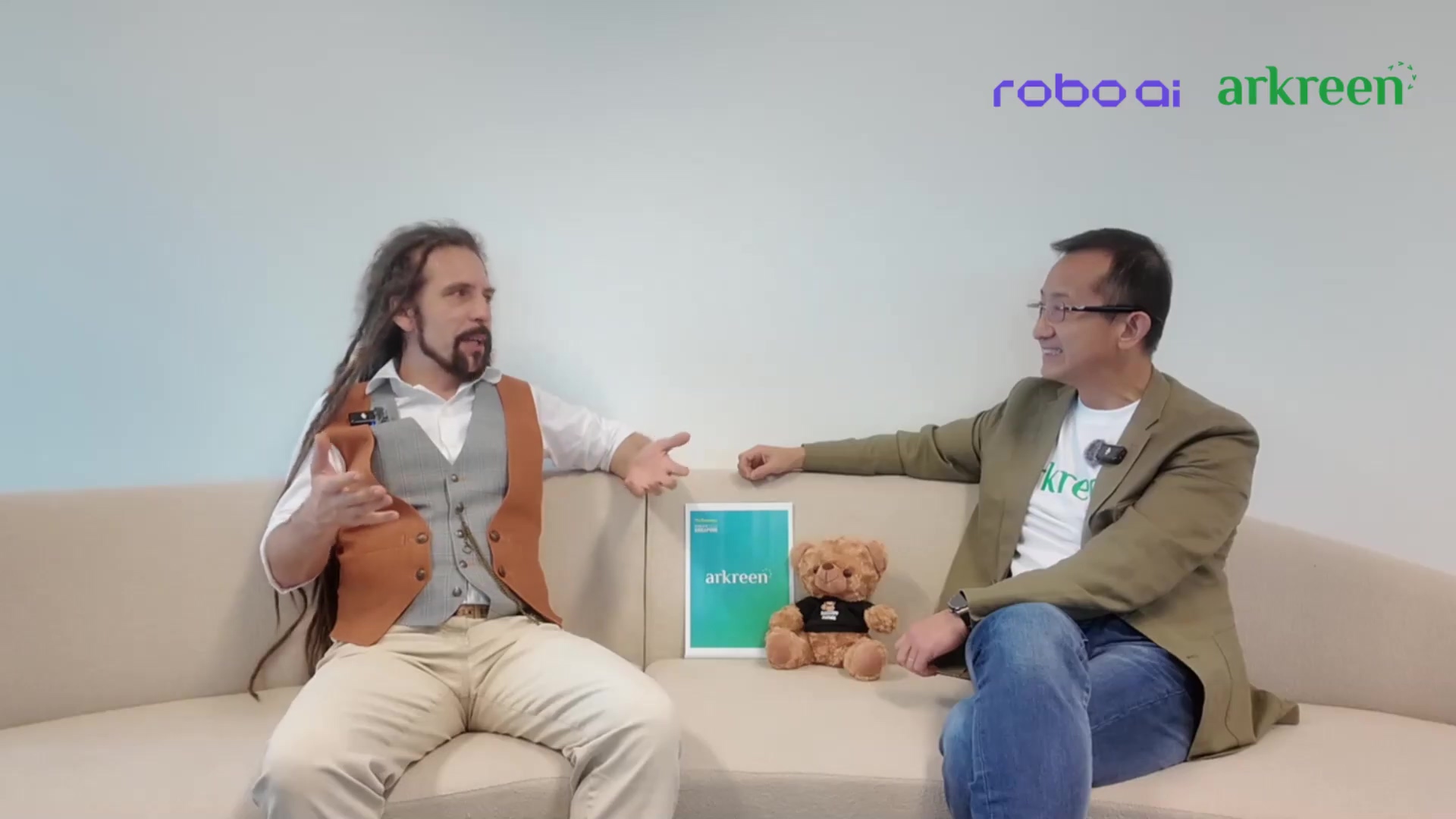
The Role of Digital Identity and Asset Tokenization
Arkreen’s strategy heavily relies on assigning digital identities to physical assets. This innovative concept grants items like electric vehicles the capacity for autonomy within the digital economy, enabling them to make payments for services such as charging or maintenance. Such capabilities fundamentally alter how infrastructure is managed and utilized, pushing towards a more efficient and intelligent machine economy.
- Autonomous Machine Transactions: Allowing digitally identified assets to participate in economic activities independently.
- Enhanced Trust and Transparency: Utilizing blockchain to provide an immutable record of asset interactions and ownership.
- New Economic Models: Pioneering models where physical assets generate and manage their own economic value through digital means.
Overcoming Traditional Barriers with Web3 Connectivity
By focusing on connections and trust, Arkreen navigates the complexities of global business, moving beyond speculative ventures to tangible, impactful applications. The strategic importance of Web3 in this context is its capacity to build decentralized trust networks, empowering unprecedented levels of cooperation across diverse stakeholders. This philosophical underpinning is crucial for driving the adoption of clean energy technologies and fostering a truly global sustainable economy.
- Building Trust through Decentralization: Utilizing blockchain to establish trust without relying on central authorities.
- Expanding Global Reach: Enabling partnerships and operations in regions that might otherwise be challenging due to traditional geopolitical factors.
- Accelerating Decarbonization: Facilitating the rapid and transparent deployment of renewable energy solutions globally.
| Feature | Physical World | Digital World (Arkreen) |
|---|---|---|
| Asset Representation | Tangible hardware | Tokenized digital assets |
| Data Integrity | Centralized, siloed | Decentralized, verifiable (blockchain) |
| Interoperability | Limited, proprietary systems | Open, API-driven, seamless |
| Transaction Model | Human-mediated, traditional finance | Automated, machine-to-machine, crypto |
| Geographic Scope | Regional, national borders | Global, borderless |
| Trust Mechanism | Central authorities, intermediaries | Cryptographic proof, smart contracts |
The Imperative of Decentralization in Renewable Energy
Decentralization, facilitated by blockchain technology, is not merely an optional enhancement but an essential component for the effective implementation and widespread adoption of renewable energy solutions. It addresses fundamental challenges inherent in traditional centralized energy systems, such as data opacity, single points of failure, and limited community participation. Arkreen leverages Web3 principles to drive a more transparent and equitable transition to sustainable energy.
Ensuring Data Integrity and Transparency
In traditional energy grids, data often remains in silos, controlled by central authorities, leading to a lack of transparency regarding energy generation and consumption. Blockchain decentralizes this data, making it immutable and publicly verifiable. This transparency is crucial for renewable energy credit (REC) markets and for ESG reporting, where verifiable data ensures accountability and prevents greenwashing. Arkreen's approach provides granular, real-time data, thus enhancing trust in the renewable energy ecosystem.
- Immutable Records: All energy generation and consumption data are recorded on a blockchain, preventing alteration.
- Public Verifiability: Stakeholders can independently verify energy data, ensuring transparency and accuracy.
- Automated Incentives: Smart contracts can automatically distribute rewards based on verified renewable energy contributions.
Enhancing Resilience and Community Participation
Decentralized energy networks, particularly those supported by DePIN projects like Arkreen, cultivate resilience by distributing control and reducing reliance on a single central entity. This architecture minimizes the impact of localized failures and promotes peer-to-peer energy trading, empowering local communities to generate, consume, and trade their own renewable energy. This fosters a sense of ownership and accelerates the adoption of localized renewable solutions.
- Distributed Control: Energy production and verification are spread across many participants, enhancing system robustness.
- Local Energy Trading: Enabling communities to manage their own microgrids and trade energy directly.
- Increased Accessibility: Lowering the barrier to entry for individuals and small businesses to participate in renewable energy generation.
Building a Global Ecosystem: Partnerships and Community
Building a global ecosystem of partnerships and fostering robust community engagement are fundamental pillars of Arkreen's growth strategy. Recognizing that innovation thrives on collaboration, Arkreen actively seeks out strategic alliances that complement its technological prowess and expand its market reach. This approach is instrumental in driving widespread adoption and solidifying its position within the dynamic DePIN space.
The Power of Strategic Alliances
Arkreen's partnerships are designed to create synergistic relationships that accelerate development and overcome market entry barriers. The collaboration with Robo.AI, a NASDAQ-listed company with a strong background in EV manufacturing, exemplifies this strategy. This alliance not only provides Arkreen with access to global capital markets and experience in mass-scale physical world infrastructure but also offers Robo.AI an avenue to explore blockchain integration and digital asset management.
- Cross-Industry Collaboration: Partnering with established companies like Robo.AI to integrate Web3 solutions into traditional industries.
- Access to Expertise: Leveraging partners' knowledge in areas such as manufacturing, regulatory compliance, and market access.
- Mutual Growth: Creating win-win scenarios where both Arkreen and its partners achieve strategic objectives.
Cultivating a Vibrant Community
Community engagement is a cornerstone of Arkreen's decentralized philosophy. By involving a diverse group of stakeholders, from developers to energy producers and consumers, Arkreen builds a resilient and adaptive network. This community-driven approach ensures that the platform evolves in response to real-world needs and encourages a sense of collective ownership over the decarbonization effort. Arkreen's commitment to continuous engagement and open communication fosters a loyal and active user base, critical for long-term success.
- Developer Programs: Engaging blockchain developers to build applications and tools on the Arkreen network.
- User Incentives: Rewarding participants for contributing to the network, such as through verifiable renewable energy data.
- Educational Initiatives: Providing resources and information to onboard new users and increase understanding of DePIN and Web3.
Arkreen's Impact: Real-World Applications and Future Outlook
Arkreen's innovative approach is not confined to theoretical concepts; it is being actively applied to achieve tangible decarbonization goals through real-world applications. The impact of Arkreen's technology extends across various sectors, demonstrating a clear path toward a sustainable future powered by Web3. This includes pioneering applications in smart cities, the Internet of Things (IoT), and the broader decentralized landscape.
Transforming Urban Landscapes with Smart City Integration
In smart cities, Arkreen's technology can facilitate the integration of diverse renewable energy sources into urban grids, enabling more efficient energy management and reduced carbon footprints. By providing verifiable data on energy production, Arkreen empowers city planners and residents to make informed decisions about energy consumption and investment in green technologies. For example, by tokenizing solar energy generated from residential rooftops, Arkreen can create a dynamic energy market within urban environments.
- Decentralized Energy Management: Optimizing energy distribution and consumption across urban areas.
- Carbon Footprint Reduction: Enabling cities to accurately measure and reduce their greenhouse gas emissions.
- Citizen Participation: Empowering residents to contribute to and benefit from local renewable energy initiatives.
Revolutionizing Devices with IoT and Digital Identity
Arkreen leverages IoT devices to collect granular data on energy generation and consumption, forming the backbone of its verifiable renewable energy system. The concept of assigning digital identities to these devices, as exemplified by the Robo.AI 'Robbo 339' vehicle with an integrated digital wallet, opens up new paradigms for machine-to-machine interaction and economy. This allows smart devices to autonomously manage their operations, financial transactions, and even participate in decentralized networks.
- Autonomous Machine Economy: Enabling IoT devices to act as independent economic agents, managing their own resources.
- Enhanced Data Security: Securing IoT data through blockchain's immutable ledger, preventing tampering.
- Predictive Maintenance: Utilizing real-time data from IoT devices for proactive maintenance schedules, increasing efficiency.
Future Outlook: A Connected and Sustainable Web3 Landscape
Looking ahead, Arkreen envisions a Web3 landscape where physical and digital realms are intrinsically linked, fostering a new era of robotics and digital convergence. This vision, dubbed the 'Robjital World', integrates robotics, AI, and digital technologies to create intelligent, autonomous systems that drive sustainability. The potential for such a world includes widespread adoption of smart vehicles that generate and manage their own clean energy, contributing actively to a decarbonized future.
- The 'Robjital World': A future where robotics, AI, and digital identities converge to create intelligent, sustainable ecosystems.
- Advanced EV Integration: Smart electric vehicles becoming active participants in the energy grid, contributing to balancing and optimization.
- Global Decarbonization: Arkreen's technology providing a scalable solution for global renewable energy deployment and verification.
Overcoming Challenges: Innovation in a Shifting Global Landscape
The global landscape is currently characterized by trends of de-globalization and increasing geopolitical fragmentation. For Web3 projects like Arkreen, these shifts present unique challenges that necessitate innovative strategies for navigation and resilience. Arkreen's leadership recognizes that while these trends can create separations, they also generate opportunities for new models of interconnectedness.
Navigating Geopolitical Fragmentation
Traditional business models often struggle to adapt to rapid shifts in international relations and trade policies. Arkreen, with its inherent decentralized nature, is better positioned to operate across diverse jurisdictions. The core belief that the world cannot remain separated indefinitely drives Arkreen's mission to create universally accessible and trusted digital infrastructures that transcend political boundaries. This mindset focuses on leveraging technology to unite rather than divide.
- Decentralized Operations: Reducing reliance on single national or regional infrastructures, increasing operational flexibility.
- Blockchain's Neutrality: Utilizing a global, permissionless technology that is not tied to any single political system.
- Adaptive Strategy: Continuously adjusting business development and partnerships to align with evolving global dynamics.
Fostering Trust Amidst Divides
In an environment where trust between nations and entities can be strained, Arkreen emphasizes building trust through verifiable digital systems. The ability to guarantee data integrity and transaction transparency via blockchain offers a compelling solution to foster cross-border collaboration. This approach is particularly effective for sensitive areas like energy data, where accuracy and accountability are paramount.
- Verifiable Transactions: Ensuring all data and transactions are transparent and immutable on the blockchain.
- Community-Driven Governance: Empowering a global community to collectively manage and evolve the network.
- Ethical Technology Deployment: Prioritizing solutions that promote equitable access and benefit all participants, irrespective of origin.
Key Takeaways: Arkreen's Visionary Approach to Decarbonization
Arkreen stands as a pioneer in leveraging Web3 for environmental sustainability, demonstrating a visionary approach to decarbonization through innovative applications of blockchain and IoT technologies. Its core values and strategic vision are centered on creating a globally connected, transparent, and efficient renewable energy ecosystem.
Core Pillars of Arkreen's Vision
Arkreen's strategy is built upon several foundational principles that guide its development and impact. The company's commitment to connecting physical assets with digital identities, ensuring data verifiable on blockchain, and fostering extensive partnerships underscores its long-term objectives. These pillars are critical for transforming the conventional energy landscape into a decentralized and sustainable model.
- Physical-Digital Convergence: Arkreen actively works to integrate real-world infrastructure with robust digital frameworks, creating novel functionalities.
- Decentralized Trust: By using blockchain, Arkreen establishes trustless systems that reduce reliance on intermediaries and foster global collaboration.
- Environmental Impact: The primary focus remains on accelerating decarbonization efforts through verifiable renewable energy data and efficient resource management.
Strategic Direction and Future Impact
Arkreen's future outlook involves expanding its DePIN infrastructure and fostering broader adoption of its tokenized energy assets. By enhancing the interconnectivity between smart devices and the blockchain, Arkreen aims to enable more autonomous and intelligent energy systems. This direction promises to revolutionize not only how energy is produced and consumed but also how communities participate in and benefit from sustainable practices.
- Expansion of DePIN Infrastructure: Continuously building out the network of smart devices and data collection points.
- Empowering Machine Economies: Enabling smart devices to function as independent economic entities within the renewable energy grid.
- Driving Global Sustainability: Positioning Arkreen as a critical infrastructure provider for a sustainable and decentralized future.
Essential Tips for Engaging with DePIN Projects
Engaging with Decentralized Physical Infrastructure Network (DePIN) projects, whether as an investor, developer, or enthusiast, requires a nuanced understanding of their unique value propositions and operational models. Drawing insights from Arkreen’s success, prospective participants can better navigate this evolving landscape and maximize their involvement.
Understanding DePIN's Unique Value Proposition
DePIN projects differentiate themselves by connecting real-world physical infrastructure with blockchain technology, offering solutions that often surpass traditional centralized alternatives in terms of efficiency, transparency, and resilience. Focus on projects that clearly articulate how they leverage decentralization as a tool to build better, more connected, and more trusted systems, rather than making it an end goal in itself.
- Assess Real-World Impact: Prioritize projects with tangible applications that address actual problems in physical infrastructure, such as energy, connectivity, or mobility.
- Evaluate Data Verifiability: Look for clear mechanisms for generating and verifying real-world data on-chain, crucial for transparency and accountability.
- Examine Tokenomics and Utility: Understand how the project’s native token incentivizes participation, secures the network, and derives value from real-world usage.
Due Diligence and Community Engagement
Thorough due diligence is paramount. This includes evaluating the project's whitepaper, team, technology stack, and existing partnerships. Engage actively with the project's community through official channels (e.g., Discord, Telegram, forums). A vibrant, engaged community is often an indicator of a healthy and promising project. Seek projects that demonstrate a clear strategy for growth, scalability, and integration with existing ecosystems, rather than isolated development.
- Review Team Credentials: Investigate the background and experience of the core team, especially their expertise in both blockchain and relevant physical industries.
- Analyze Technical Roadmaps: Evaluate the feasibility and innovation of their technological approach, including their plans for scalability and security.
- Participate in Governance: For projects with decentralized governance, consider active participation to understand and influence the project's direction.
Decentralized vs. Centralized: Costs and Benefits in Renewable Energy
The choice between decentralized (DePIN) and traditional centralized approaches to renewable energy infrastructure involves distinct trade-offs in costs, benefits, and operational paradigms. Understanding these differences is crucial for stakeholders evaluating the most effective path toward sustainability and energy independence.
Cost Efficiencies and Operational Benefits
Centralized renewable energy systems, such as large-scale solar farms or wind parks, often benefit from economies of scale during initial deployment. However, they can incur higher operational costs related to maintenance, grid stability, and long-distance transmission losses. DePIN approaches, exemplified by Arkreen, leverage a distributed network of smaller, often community-owned, renewable energy assets. This model can reduce capital expenditure for individual participants and lower grid management costs by localizing energy generation and consumption. For example, a network of residential solar panels integrated into a DePIN offers lower transmission losses and increased grid resilience by distributing power generation.
- Lower Infrastructure Overhead: DePIN models can reduce the need for expensive, centralized infrastructure and long transmission lines.
- Localized Energy Production: Minimizes energy loss during transmission, leading to higher overall efficiency.
- Community Investment: Allows for micro-investments in renewable energy, distributing financial burden and fostering local economic growth.
Resilience, Transparency, and Scalability
Centralized systems are prone to single points of failure, making them vulnerable to outages and attacks. Data transparency can also be limited, often controlled by a few entities. Decentralized systems inherently distribute risk, enhancing grid resilience and ensuring continuous service even if parts of the network fail. Moreover, blockchain-based DePIN projects like Arkreen provide unprecedented transparency in energy data, making generation and consumption verifiable and immutable. While centralized systems can scale linearly, DePINs offer a more organic, network-effect-driven scalability where adding more participants strengthens the entire system.
- Distributed Reliability: No single point of failure within a decentralized energy network, enhancing overall stability.
- Verifiable Data: All energy transactions and production metrics are transparently recorded on the blockchain, fostering trust.
- Scalability Through Participation: The network grows stronger and more efficient as more individual producers and consumers join.
| Feature | Centralized Renewable Energy | Decentralized (DePIN) Renewable Energy |
|---|---|---|
| Infrastructure Model | Large-scale, utility-owned plants | Distributed, community/individual-owned assets |
| Data Transparency | Limited, often proprietary | High, verifiable on blockchain |
| Grid Resilience | Vulnerable to single points of failure | Highly resilient, distributed |
| Capital Investment | High, concentrated (utility/government) | Lower, distributed (individuals/communities) |
| Operational Costs | High maintenance, transmission losses | Lower, localized management |
| Scalability | Linear, planned expansion | Organic, network-effect driven |
| Community Engagement | Limited, consumer role | High, active producer/prosumer role |
| Decision Making | Top-down, hierarchical | Bottom-up, democratic (through tokens) |
Final Summary
Arkreen's journey from observer to leader at TOKEN2049 underscores its critical role in shaping a decarbonized, Web3-powered future by seamlessly integrating physical and digital assets. Their efforts to build a more connected and trusted world through decentralized infrastructure offer a compelling model for global sustainability. To explore Arkreen's ecosystem, navigate to their official website and review their project documentation for detailed participation guidelines.